
October 27, 2026 · 3 min read
Garett's Short-Term Rental Tips: What It Really Costs to Own a Vacation Rental on 30A
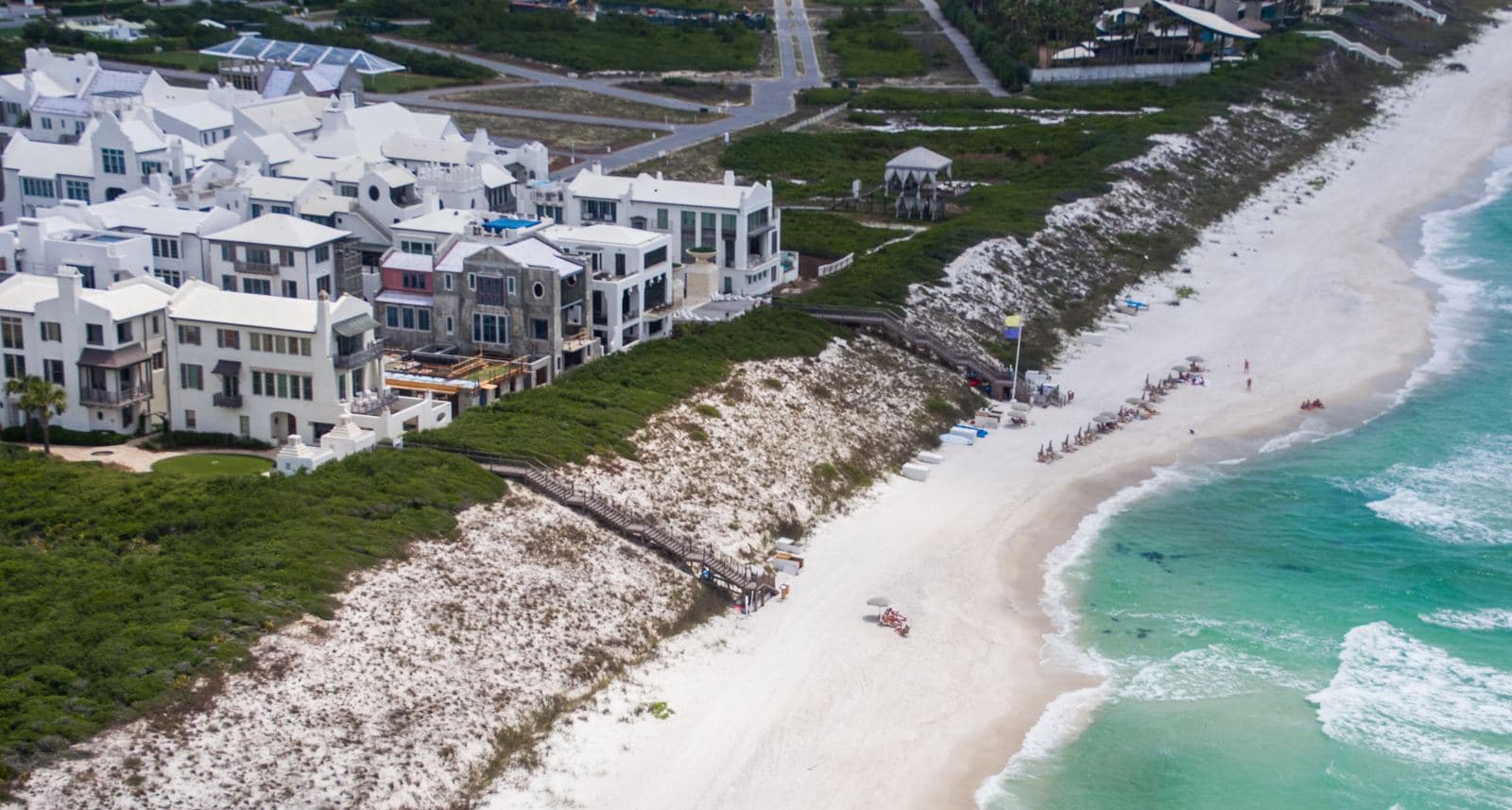
Every week I talk with someone who wants to buy a vacation rental down here. It's a great place to own. But the first thing I tell everyone is the same: before you think about what a house can earn, know what it costs just to own it.
Start with the cost of ownership
For an average home here, plan on somewhere between $20,000 and $30,000 a year just to own it. That's before a mortgage. It covers things like:
- Property taxes. A second home doesn't get Florida's homestead exemption or the Save Our Homes cap. Your taxes are based on full value, and they reset when you buy. Figure roughly $9,000 a year for every million dollars of value.
- Insurance. Wind and flood coverage here is a real number, and it's going up.
- HOA dues, if the community has them.
- Utilities, internet and streaming — guests expect all of it to work.
- Cleaning, upkeep and repairs. Rentals wear faster than a home you live in.
- Pool and yard care, pest control, and restocking supplies.
- Taxes on furniture and equipment. Rentals pay a yearly tax on what's inside.
Your rental income has to cover all of that first. Only what's left over is yours.
Then add the mortgage
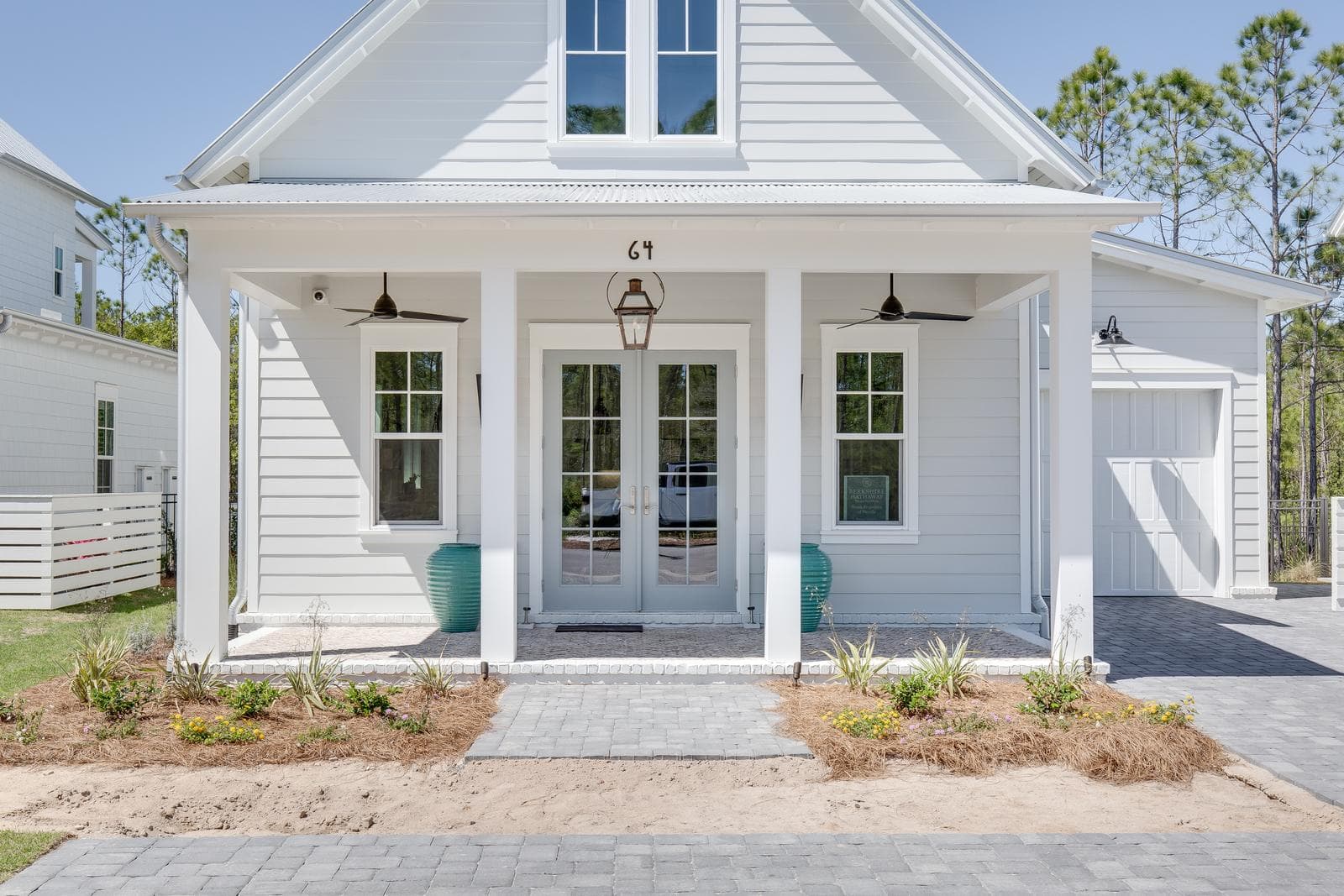
The mortgage is a separate number, and it's the big one. Once you add a loan payment, the total yearly cost on a lot of homes here can climb past $60,000.
That's why your down payment matters so much. The more you put down, the smaller the note, and the easier it is for the house to carry itself.
Can you carry it through the slow months?
This is the question I'd ask yourself honestly. Our busy season is strong, but there are slow stretches. If you can't own the property through three to six months of little or no rental income without feeling squeezed, don't jump in — unless you've put enough down that the payment stays comfortable.
Don't buy a price the house can't earn
This is the most important one. In some areas, prices have climbed faster than what the homes can earn as rentals. A beautiful house that can't generate enough income to cover its costs isn't an investment — it's an expensive habit.
Look at three things together:
- The area. Where it sits, how close it is to the beach, and whether rentals are even allowed there.
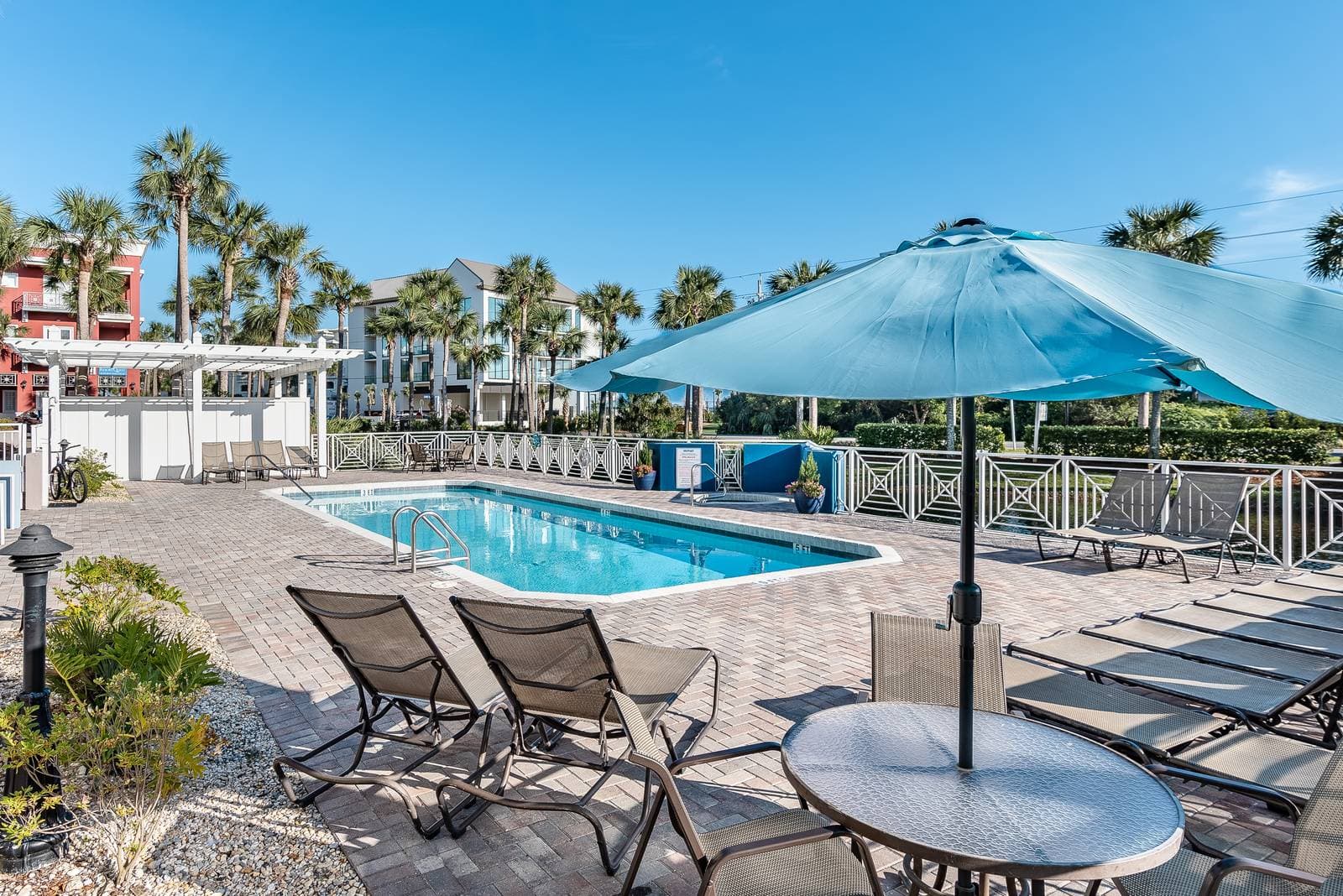
- The amenities. A private pool, beach access, walkability, and community features all change what guests will pay.
- What similar homes actually earned. Not what someone hopes it will earn. Real past numbers from comparable homes.
Put all of that together and you have a real starting point.
Get the right insurance
Get a policy written for short-term rentals. It's a must. Don't count on the booking platform's host protection to make you whole after a loss — in my experience, you can end up waiting and wondering if that money ever comes.
Know your rental taxes and registration
Guests here pay a 5% South Walton tourist development tax plus 7% sales tax on their stay. You're responsible for making sure it's collected and filed, either yourself or through your manager. Walton County also requires rental properties to be registered every year. Management companies often charge a set fee for handling that; doing it yourself usually costs less.
The bottom line
Owning a rental on 30A can be a great move, if the numbers work before you buy, not after. If you're looking at a property and want help running the real costs and what it can earn, text or email me anytime. I'm the only one on this site, and I'm happy to walk through it with you.
Questions about anything here, or about a home on 30A?
Ask Garett