
By Garett Huber · November 24, 2026 · 4 min read
Walton County Beach Erosion Emergency: What It Means on 30A
Florida has declared a shore erosion emergency in Walton County. Gov. Ron DeSantis signed Executive Order 26-233 on Thursday, Nov. 19, 2026. It took effect right away, and it opens the door to state money for rebuilding the county's beaches, including the stretch along 30A.
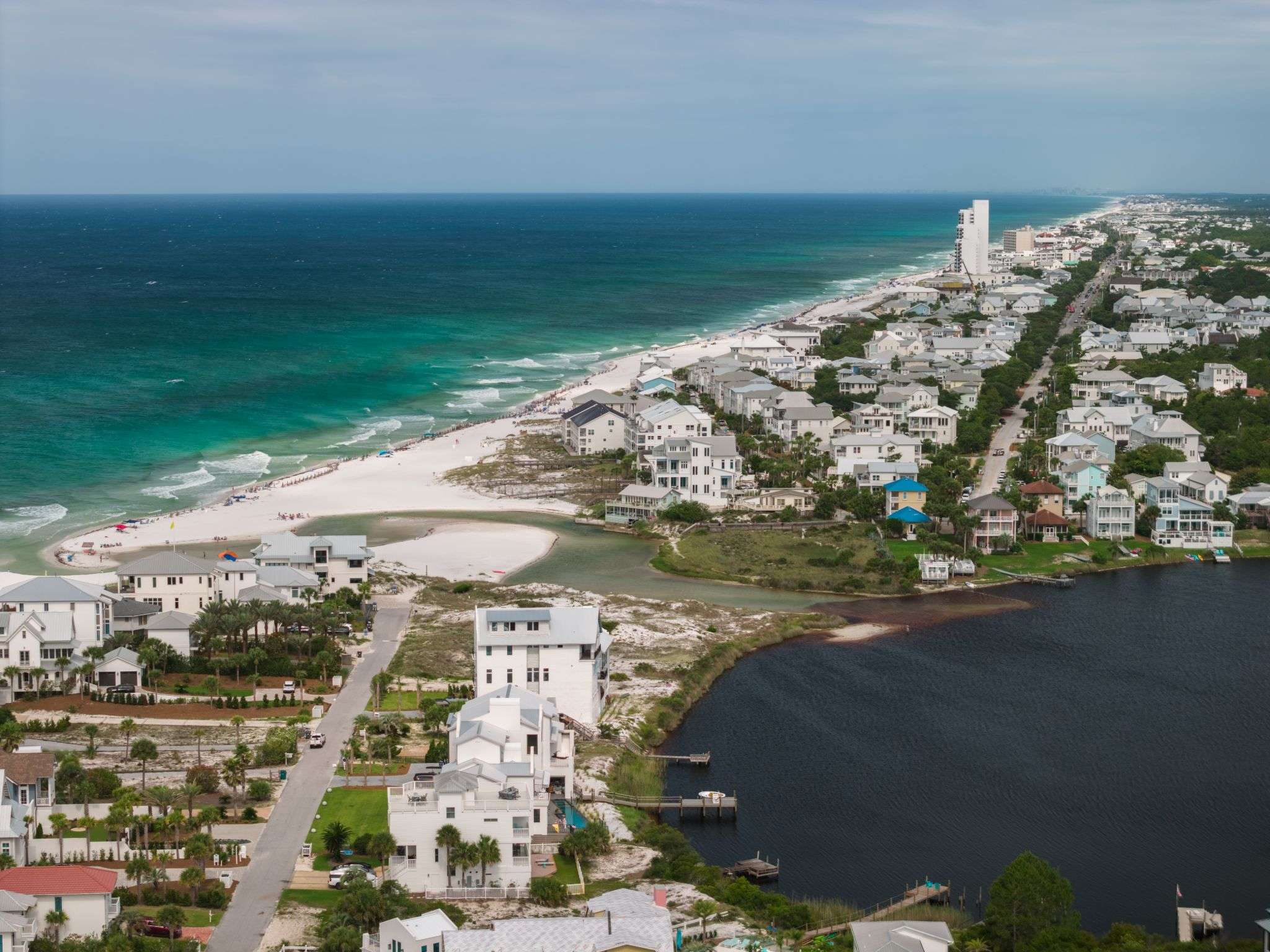
The order finds 18.8 miles of critically eroded shoreline in Walton County. Erosion has been building here for years, and storm surge from Hurricane Isaias made it worse. The order is tied to the state's Hurricane Isaias emergency order, EO 26-202. It stays in place as long as that order does, including any extensions.
What the order does
The order declares the emergency under section 161.111 of Florida law. That step makes state funds available for a beach project paid for by both the state and the county.
Walton County Administrator Brian Kellenberger explained a few of the practical pieces:
- State agencies have been told to move quickly on permits.
- The state agency is directed to work with any federal agencies involved.
- If there isn't enough money for the permitting work, state funds would be released for it.
- If the county, as the local sponsor, comes up short for the construction phase, the state may have money to help.
What the order does not say is how much money Walton County will get, or when. So there is no set timeline or dollar figure yet.
The private beach question
One challenge came up right away: much of the beach in Walton County is privately owned. Putting sand on private property takes approval from the owner. Kellenberger called that a standing hurdle for any beach restoration project and said the county will go through the proper process to get those approvals.
That matters for Gulf-front owners. If a renourishment project moves forward, owners whose deeds run to the water may be asked to sign off before sand can be placed on their stretch of beach. If you own a home on the Gulf, it is worth watching for county notices and reading anything that arrives about easements or permission forms with care. Questions about what you would be signing are a good fit for a real estate attorney.
The last beach renourishment project in Walton County was finished in 2007. That makes this one of the bigger beach steps the county has seen in a long time.
Why it matters on 30A
The beach is the reason most people are here. It drives the vacation rental season, supports local jobs and brings in the tourism dollars that keep restaurants and shops open year round. A wide, healthy beach also gives Gulf-front homes a buffer when storms push water up the shore.
For owners, this order is a first step, not a finished project. Permits, approvals from private owners, funding amounts and construction dates all still have to come together. For buyers looking at Gulf-front homes, it is fair to ask about the condition of the beach in front of a property, any past storm damage, and whether the home sits on a stretch the county may include in future work. You can browse homes by town on the neighborhoods page.
For a sense of the wider market while this plays out, MLS numbers for 30A from May 29, 2026 to Nov 23, 2026 show 398 single-family homes sold, with a median sold price of about $2.2 million and a median of 56 days on market. Right now, 543 homes are for sale and 76 are under contract. More numbers are on the market stats page.
What to watch next
The next news will likely come from the county as it works through permits and reaches out to beachfront owners. Walton County's public meetings and notices are the best place to follow the details as they are set. Until a funding amount and a schedule are announced, it is too early to say when sand might actually land on the beach.
For now, the takeaway is simple: the state has formally recognized the erosion problem in Walton County and made money available to help fix it. The work ahead will take time, and Gulf-front owners will play a part in it.
Garett's take
Gulf-front owners have to be careful, because once the government goes in there and starts renourishing the beaches, that's when they take ownership of the area they did. In my past history, when Opal hit, the government was coming in to do that, and the building owners decided to pitch in and pay for their own private contractor to do it. That protected the property's value all the way to the beach. That's why they did it. It's always nice to know they're going to do stuff, but at the same time, there could be things that could cause issues to your property. That's my past experience: when you let the government get involved in something, sometimes it can backfire on you.
Questions about anything here, or about a home on 30A?
Ask Garett