
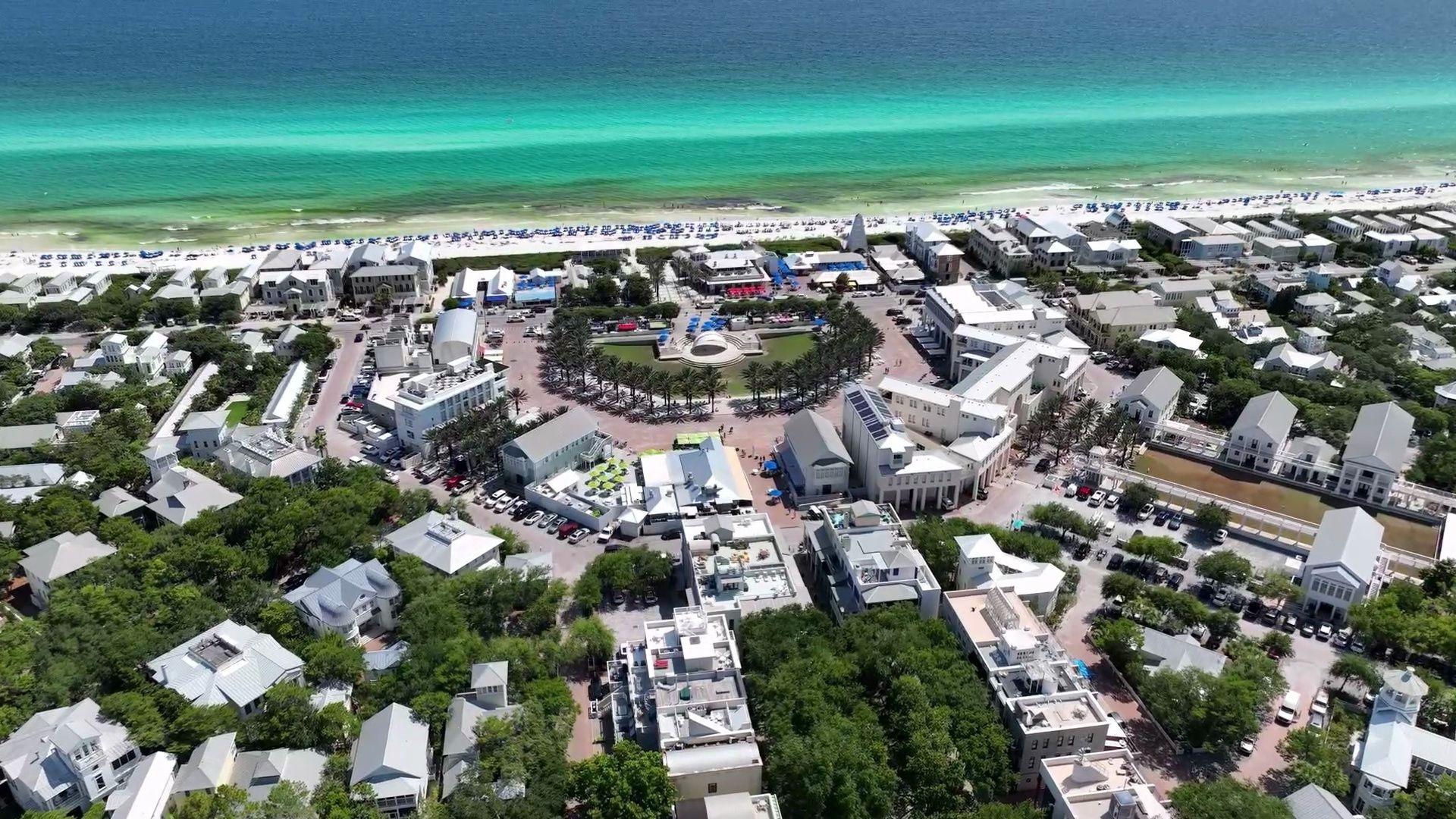
Florida voters approved Amendment 3 on Tuesday, November 3, 2026. It is a constitutional change to property taxes, and it takes effect January 1, 2027. It applies statewide, so it covers every home along 30A and the rest of Walton County. Primary residents get a much larger homestead exemption. Second homes and rentals get a tighter limit on how fast their assessed value can rise.
Here is what changed, who it applies to, and what to watch over the next two years.
The bigger homestead exemption
The homestead exemption takes part of a primary home's assessed value off the tax rolls. Until now it came in two pieces. The first $25,000 of assessed value was exempt from all property taxes. The next $25,000 was fully taxable. The $25,000 after that was exempt from non-school taxes only.
Under Amendment 3, the exemption covers non-school taxes only, and it grows a lot:
- 2027: the first $150,000 of assessed value
- 2028: the first $250,000 of assessed value
- 2029 and later: $250,000, adjusted each year for inflation
School district taxes are not part of the expanded exemption. They stay on the bill, along with some other assessments and fees.
The exemption is not a dollar amount off your bill. It lowers the value your non-school tax rates are applied to. Say a homesteaded house is assessed at $400,000 in 2028. If it gets the full $250,000 exemption, the non-school taxes would be figured on $150,000 instead. What that saves in real dollars depends on the local millage rates and any other exemptions you already have.
The Save Our Homes cap on assessment growth for homesteaded property stays in place, and so does portability.
The December 31 residency cutoff
The key date is December 31, 2026, less than two months away. Owners who are permanent Florida residents by then can qualify for the expanded exemption on a homesteaded home, as long as they meet the usual homestead rules.
The cutoff is about residency, not the closing date. You don't have to buy a home before year's end to qualify later, but you do have to be a Florida resident by then.
People who become Florida residents in 2027 or later get a smaller exemption at first. The first $25,000 of assessed value is exempt from school taxes, and the next $25,000 is exempt from non-school taxes. The rest is taxable. After five years of receiving the homestead exemption, they move up to the same larger exemption as everyone else, to the extent the U.S. Constitution allows.
County property appraisers and state rules will spell out how all of this works in practice. If you already have a homestead exemption on a 30A home, ask the Walton County Property Appraiser whether you need to do anything to get the larger amount. New owners still have to apply for homestead the normal way.
Second homes and rentals
Many houses on 30A are second homes or vacation rentals, and they do not get a homestead exemption. That part of the law hasn't changed.
What has changed is the cap. Starting in 2027, the yearly limit on how much a non-homestead property's assessed value can rise drops from 10% to 5%. That covers second homes, rental homes and commercial property. The cap limits how fast the assessed value can climb, but it does not promise a lower tax bill. Millage rates, new assessments and other charges can still move the total.
The amendment also limits what local governments can spend property tax money on. The approved uses include:
- Public safety, such as law enforcement, EMS and fire service
- Education and public schools
- Roads, bridges and stormwater work
- Natural resource projects, including flood control
- Bonds for approved uses, or payments on existing debt
- Local government obligations and retirement benefits
How Walton County and the local fire and service districts adjust their budgets will matter for every owner here, homesteaded or not.
What owners and buyers should keep in mind
If your taxes are paid through an escrow account, a lower tax bill could mean a lower monthly payment. Expect that to show up slowly. Lenders usually adjust escrow at the yearly review, and higher insurance costs could cancel out some of the savings.
If you're buying on 30A, don't plan on paying what the current owner pays. A Florida home is generally reassessed after a sale. The seller's assessed value, homestead exemption and built-up Save Our Homes savings don't carry over to you. When you estimate costs, look at:
- What the home is likely to be assessed at after you buy
- Whether you'll claim it as your primary home, and when you'll qualify
- Whether you'll be a Florida resident by December 31, 2026
- Current Walton County millage rates
- How the 2027 and 2028 exemption amounts or the 5% cap apply to you
For a rough number, the Florida TaxWatch property tax resource center has a statewide calculator. You pick your county and city, enter your assessed value, and it estimates the effect for 2027 and 2028. Treat any result as an estimate. Assessments, tax rates and the rules for carrying out the amendment can all shift.
This is a big change to how homes are taxed in Florida, and the details will keep coming as the state and county put it in place. If you own here or plan to, the residency date at the end of December is the first thing to check.
Questions about anything here, or about a home on 30A?
Ask Garett