
By Garett Huber · November 17, 2026 · 3 min read
Red Tide at Grayton Beach State Park: What to Know
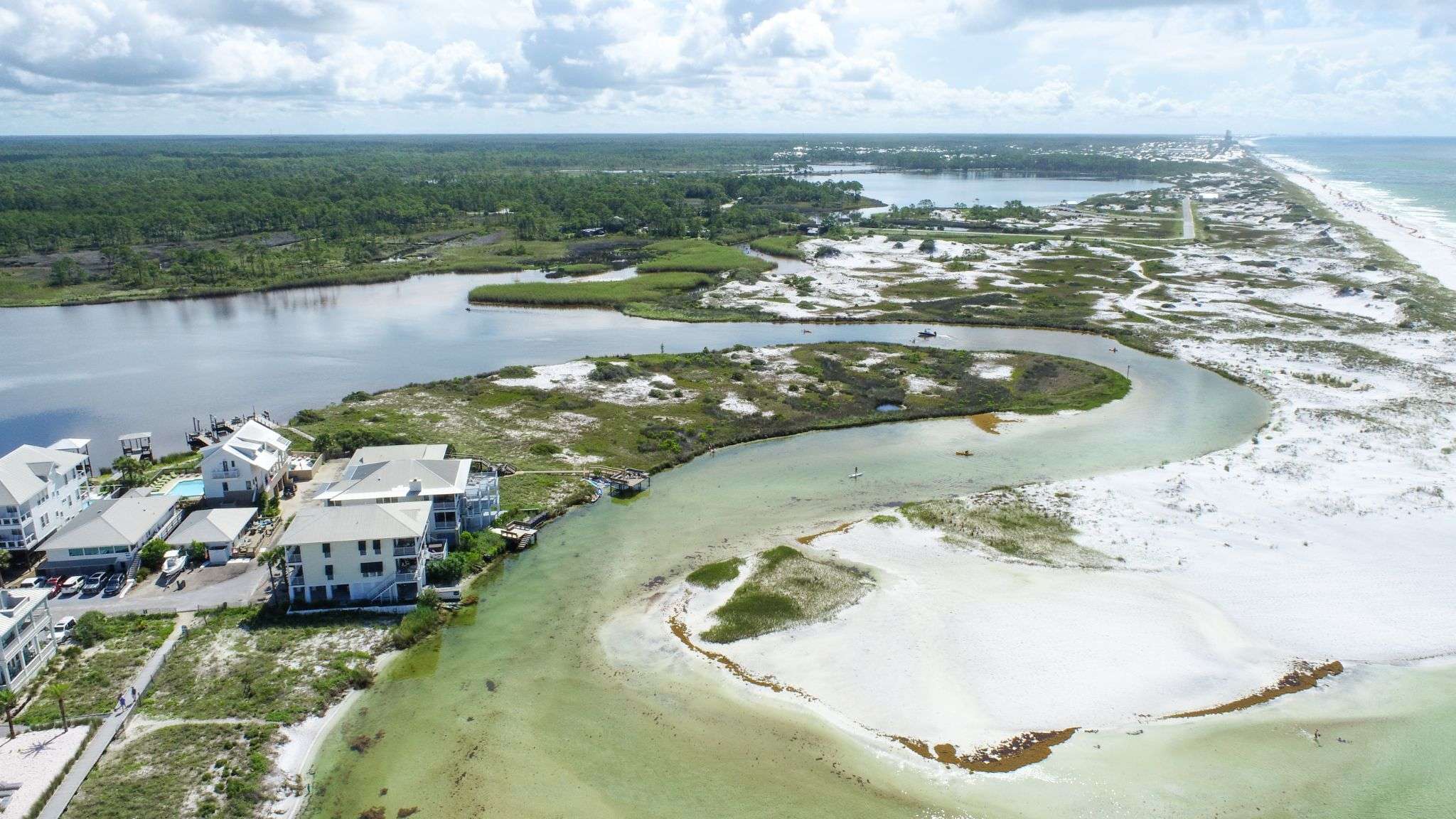
Walton County's branch of the Florida Department of Health, known as DOH-Walton, is asking people to use caution near Grayton Beach State Park after red tide turned up in a water sample. The sample was taken on November 6, 2026, and the health department posted its advisory on November 16.
The advice is simple. Stay out of the water in and around the bloom, keep pets out too, and skip shellfish from that stretch of beach for now. For anyone who owns a home in Grayton or along the nearby beaches, there are also a few steps for inside the house.
What the health department found
Red tide is a bloom of a tiny algae called Karenia brevis, or K. brevis for short. It lives in the Gulf of Mexico. When there's a lot of it, it puts out toxins that can bother people and harm fish, pets and wildlife.
The Florida Fish and Wildlife Conservation Commission's statewide red tide status page has listed K. brevis at low levels in Walton County. On that scale, low means more than 10,000 and up to 100,000 cells per liter of water. Even at that level, the state notes it can bring some breathing irritation, shellfish harvest closures and possible fish kills.
The health department also points people to signs posted at most public beaches, and to the state's Protecting Florida Together website, which shows current water quality.
Is it okay to swim in red tide?
No. DOH-Walton says to stay out of the water anywhere the bloom is present, whether that means a quick wade at the edge or a full swim. It can cause skin rashes and irritation, along with sore or burning eyes. If you've already been in the water, wash your skin and clothes with soap and fresh water, especially if your skin reacts easily.
The toxins can also get into the air. Wind and waves break open the algae cells and release them, which is why some people cough or feel it in their throat at the beach. People with chronic breathing conditions, or with weakened immune systems, may have stronger symptoms. The health department especially urges people with chronic breathing conditions to stay away from the area.
A few more points from the advisory:
- Don't harvest or eat clams, oysters or other molluscan shellfish from this location.
- Don't eat fish found dead or acting distressed.
- Fish caught alive and healthy are safe to eat if they're filleted, the guts are thrown out, and the fillets are rinsed with tap or bottled water.
- Keep dogs and other animals out of the water and away from dead sea life. If a pet does swim in it, wash it with soap and water as soon as you can.
How do you know if it's red tide?
At high enough levels, red tide can tint the water red or brown. That's one sign, but it isn't always visible. The surest way to know is to check the posted beach signs and the state's water quality pages before heading down.
When red tide shows up, and what to do at home
Red tide forms on its own out in the Gulf, most often in late summer or early fall. Winds and currents then carry it toward the coast.
For homes near the water, DOH-Walton has a practical tip: close the windows and run the air conditioning. Keep the AC filter changed on the schedule the maker recommends, since that helps keep irritants out of the air inside.
If you rent your home to guests, it may help to pass along the swim and pet advice so visitors know before they walk down to the beach.
Conditions can change from week to week as winds shift. For questions about the bloom, DOH-Walton can be reached at 850-892-4021.
Questions about anything here, or about a home on 30A?
Ask Garett